

The Game mechanics are unified. They are not divided into “politics”, “daily life”, or “cinema” as if they were fundamentally different worlds. They simply manifest differently in different zones of the same Game. Therefore, if we have learned to read mirroring in one sphere, we can read it in all the others: in the state, in the family, in culture, in names, in numbers, in relationships, in plots.
Within the total Game, everything is connected by a single architecture, and the same function repeats itself in different forms. This is precisely why this module is necessary as a practical one. It does not introduce a new theory, but teaches us to recognize already known mechanics in real-world forms.
The mirror can be explicit or hidden, literal or associative, but the principle remains the same: the same game function repeats itself in a different medium, in a different environment, and in a different setting.
The first and most obvious marker is the number and date.
The game sequence is cyclical, and therefore the year of birth, the last digit, the place value, repetitions within the tens, and transitions between tens often serve as mirror reference points. If a person was born in 1952, their mirror years can be read as 1942, 1962, 1972, 1982, 1992, and so on. This is not just arithmetic. It is a way to show that the same figure can be associatively continued in another cycle of the arc.
Within the total Game, everything is connected by a single architecture, and the same function repeats itself in different forms. This is precisely why this module is necessary as a practical one. It does not introduce a new theory, but teaches us to recognize already known mechanics in real-world forms.
The mirror can be explicit or hidden, literal or associative, but the principle remains the same: the same game function repeats itself in a different medium, in a different environment, and in a different setting.
Number and date as the first marker
The first and most obvious marker is the number and date.
The game sequence is cyclical, and therefore the year of birth, the last digit, the place value, repetitions within the tens, and transitions between tens often serve as mirror reference points. If a person was born in 1952, their mirror years can be read as 1942, 1962, 1972, 1982, 1992, and so on. This is not just arithmetic. It is a way to show that the same figure can be associatively continued in another cycle of the arc.
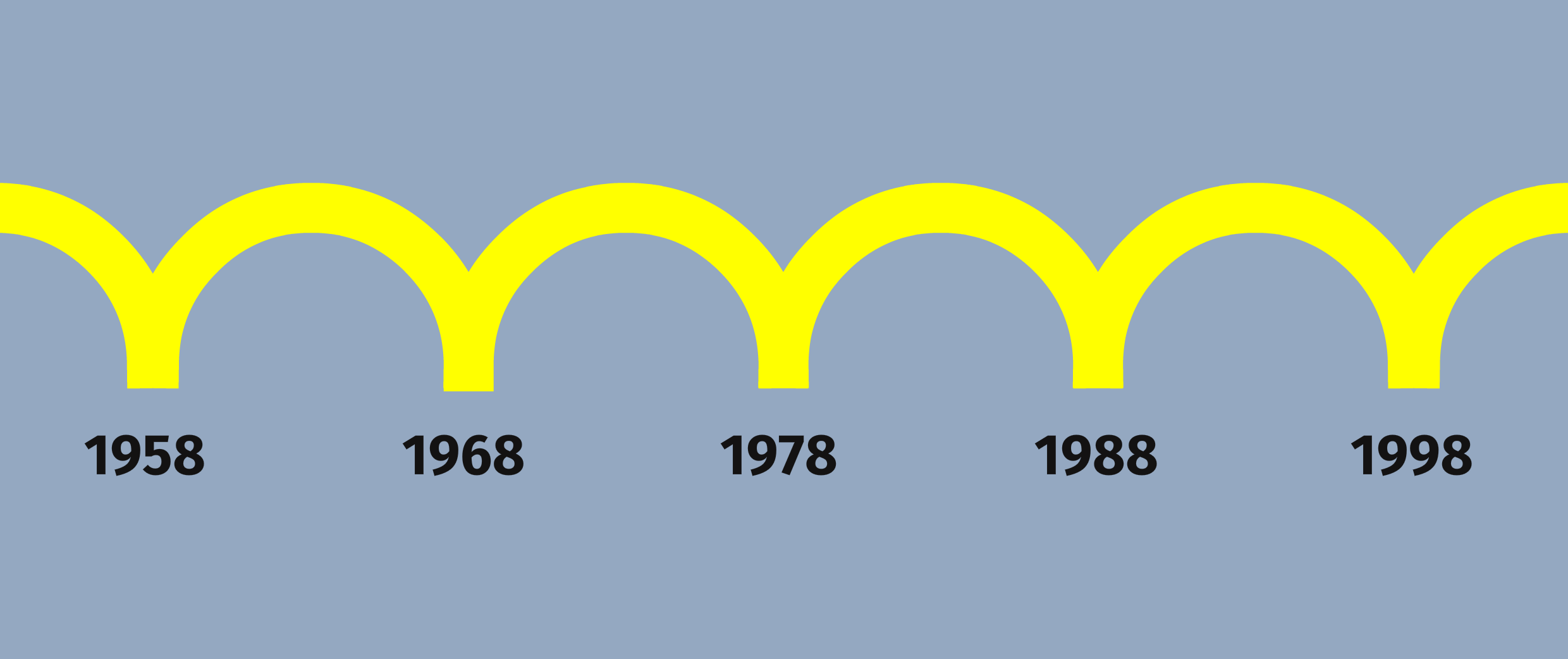
Illustration.
An example of the mirroring of dates through the least significant digit — the number 8. The choice of the number 8 in this example highlights the playful structure.
Here, too, it is not only the mirror itself that is important, but also the meaning of the number as a symbol.
- The number 2 represents a pair.
- The number 3 indicates a triad.
- The number 5 is associated with the human figure and the star shape.
- The number 6, a multiple of 3, can be interpreted either as a doubled three or as an inverted nine on a visual, playful level.
- The number 7 carries a sacred, distinct significance.
- The number 9, a multiple of 3, often functions as a threshold before a transition; it is also three threes, three triads.
- And 10 is already a new arc, a new phase, a new cycle.
Therefore, numbers in the Game are never simply quantities. They function as associative markers of a role. Year of birth, the last digit, a repeating number, a number in a date, a level number, a scene number — all of these can indicate not only chronology but also a character’s place within the overall structure. The number becomes not arithmetic but a sign of position.
Here, the very arch-like architecture of the number system is particularly evident. In the Roman system, the mechanics of rotation and cycle can be read almost literally:
I II III → IV V VI → VII VIII IX → X
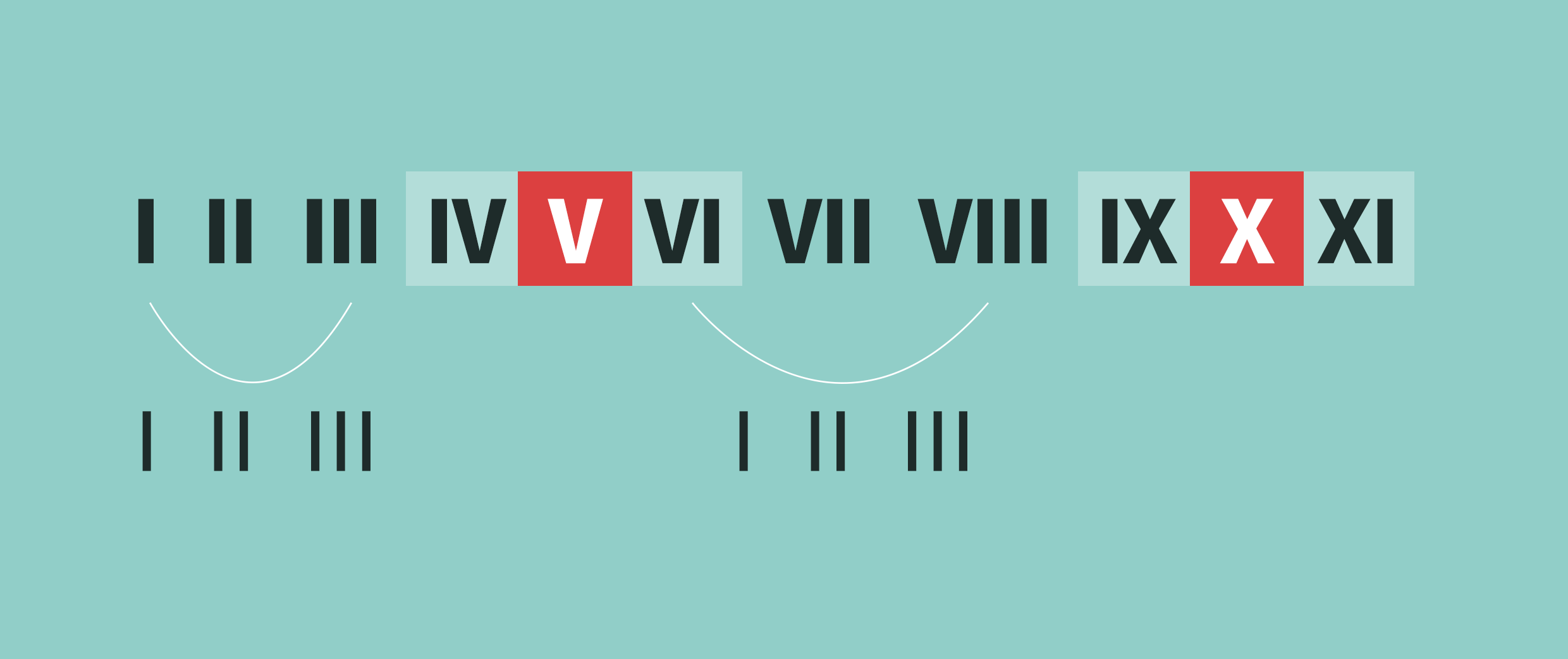
Illustration.
Modern style.
Here, V functions as the apex of a short arc, and X as a new transition and the beginning of the next cycle. In the Indo-Arabic system, the logic is the same: 9 is followed by 10 — a symbol of transition and a new cycle. Zero here is a circle, the sun, the end and the beginning at the same time.
This is precisely why the numbers in the Game should be read not as dry “mathematics”, but as the language of the mirror, reversal, repetition, and the fixation of roles.

Illustration.
The concept of the Roman numeral system is based on the cycle of “solar arcs”. In this system, all aspects are important, including the meanings of “numbers” and letters. Note that the number “5”, denoted by the symbol “Λ” in the Etruscan system, was replaced in Rome by “V”. The Romans inverted the symbol “Λ”, adapting the Etruscan system to their own concept. In both cases, this letter represents the apex of the arc, that is, the zenith of the Sun. In both instances, the symbolism of the letters remains true and does not lose its meaning.
In more complex game combinations, the mirroring may not be direct but rather multiplicative: Players reflect each other across a common numerical axis, where, for example, 3, 6, and 9 function as different manifestations of a single triadic matrix. In such cases, the mirroring is determined not by simple coincidence but by multiplicity and the number’s position within the overall Game Arc. This is particularly evident in Mesopotamian numerology, where 300, 600, and 900 no longer have a formal but rather a sacred character, cementing the number’s connection to the triad and to a higher level of the Game.
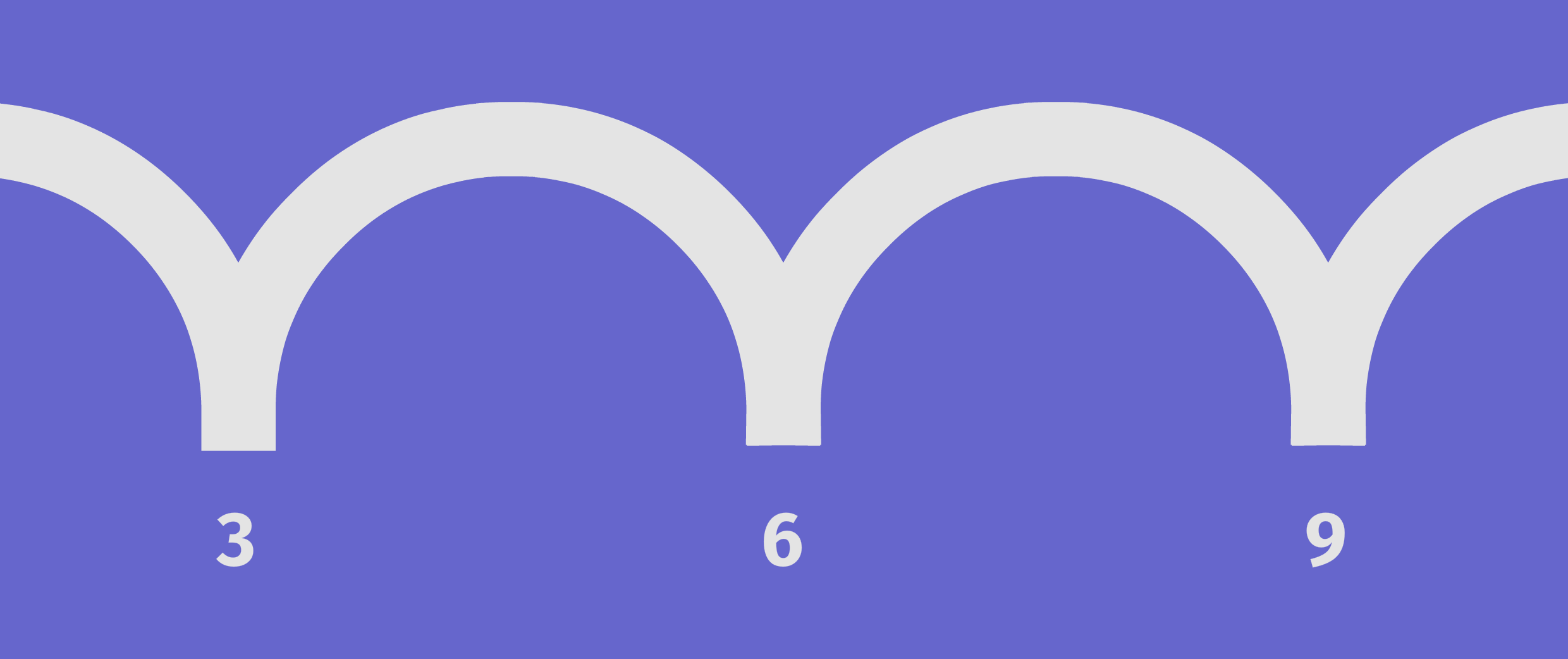
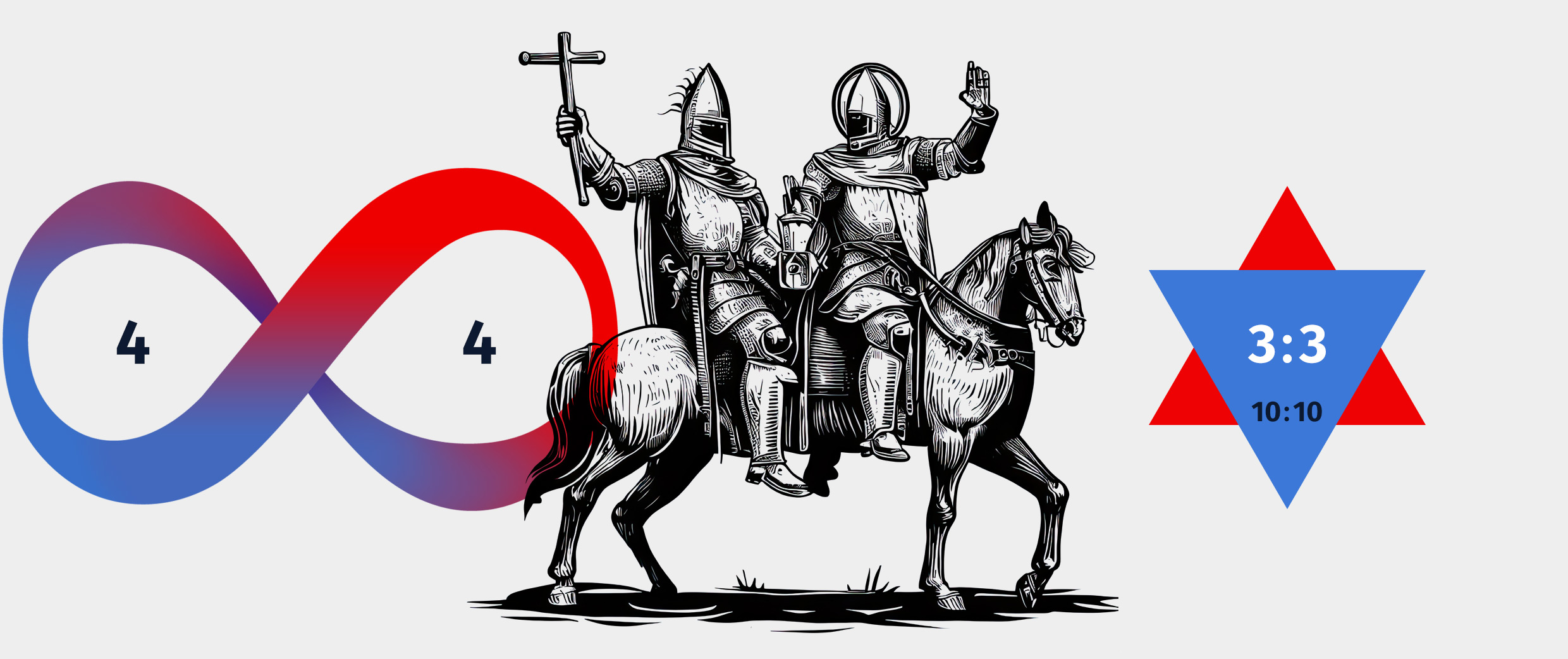
The number 2 functions similarly in the Game. Here, its mirror (arch) is formed by 4 and 8: 4 unfolds the pair as a 2:2 pattern, while 8 unfolds it as a denser 4:4 form, where each set of four consists of two pairs. In other words, the pair in the Game does not simply repeat (mirror) itself, but becomes more complex through nested pairs, retaining its meaning as the basic form of mirrored division.
A practical example
A player in the Alpha system enjoys considerable freedom of action. They can be anyone at any time, don virtually any mask, and play a wide variety of roles depending on the current needs of the game. However, when they have the opportunity to consciously design and select a mask, they always do so within the framework of the Game’s rules — making the most effective use of numerical codes, names, symbols, and associative rhymes. This allows them not merely to “try on” an image, but to integrate it into the overall architecture so that other Players instantly pick up on the intended signal.
A particularly important mechanism is the selection of a mask/mirror with a numerical association (year of birth, rank, date). Players consciously use this technique to “don” historical masks and maintain an associative presence in the information field.
How this works in practice:
If the current Player was born (or the Player mirrors someone who was born), for example, in 1979, they can associatively “try on” the masks of historical figures whose birth years rhyme by rank:
- Napoleon Bonaparte (1769) — a “difference” of 10 years (one cycle of the arc);
- Albert Einstein (1879) — a perfect match both in terms of the category and in the context of the number “100”;
- Adolf Hitler (1889) — also a category rhyme;
- Grigory Rasputin (1869).
- Other figures with “79”, “89”, “69”, etc.
When a film is made or a major media project is launched about Napoleon, Hitler, Alexander the Great, or any other historical figure with a suitable numerical code, the average viewer takes it literally: “just a historical film” or “a new adaptation”.
Dedicated Players read a direct associative reference to the real person who is currently using this historical mask. Through imagery, symbolism, key lines, and visual cues, current messages, strategies, or the positioning of the current Player are conveyed. The viewer watches “about the past”, while the Players read “about the present”.
The Name as a Marker of the Mask
The second most important marker of mirroring is the name.
In the Game, a name is almost never simply a personal identifier for a person. It functions as a sign of the mask and a structural code for a role. When different people bear identical, similar, or associatively linked names, this almost always indicates not coincidence, but the repetition or distribution of the same role within the Game.
A name in the Game is not a biography, but a functional marker. It helps the system connect different bearers, create rhymes, and maintain a sense of continuity even with a complete generational shift or change in cultural settings. For Players, a name becomes a convenient tool for interpretation: it immediately triggers the necessary associative field.
An example of how the mechanic works: the name “Vladimir”
The most striking contemporary example is the name Vladimir.
At a deep level of the Game, Vladimir Putin’s key external opponent — Vladimir Zelensky — acts not merely as an ideological adversary, but as his direct mirror image. The very name “Vladimir” here serves as a marker of the looking-glass world and a connecting code between the two sides of a single construct.
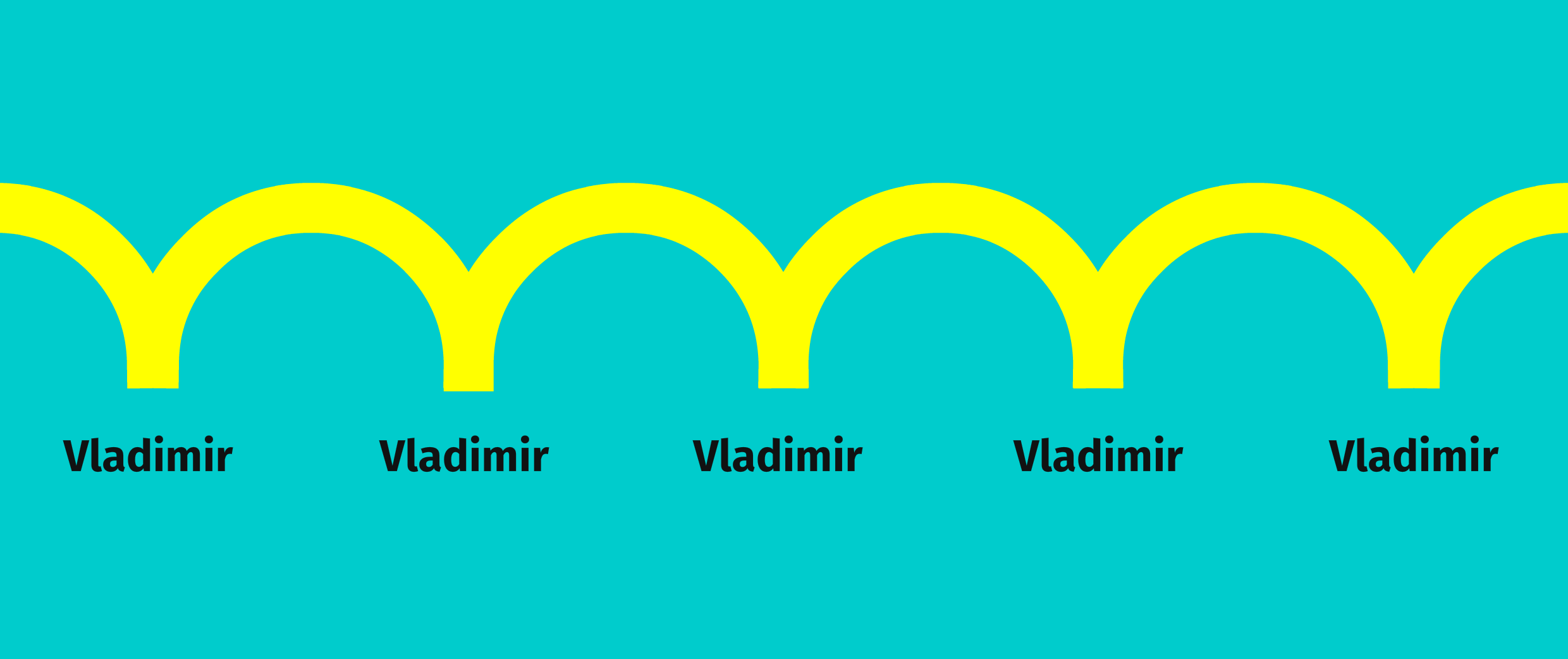
Illustration.
Mirrors come together to form a single whole, creating a symbolic “greatness”. This is a perfect example of the image of the “thousand-headed dragon”.
At the same time, Putin is surrounded by a whole network of internal mirrors — numerous “Vladimirs” in his immediate and extended circles.
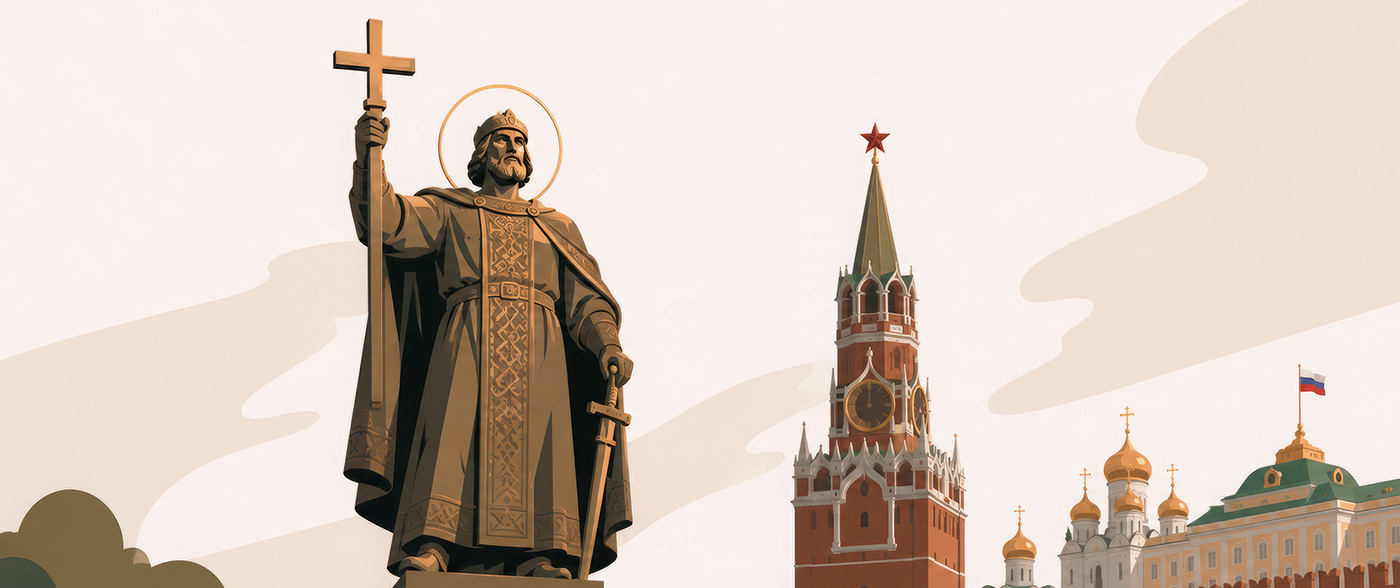
The monument to Prince Vladimir the Baptist (Grand Prince of Kyiv), erected near the Kremlin walls, serves as a symbolic fixation of this chain of mirrors. In the context of the Game, this appears not merely as a reference to a historical figure, but as a direct embedding of contemporary power (Putin solidifies his associative presence) within the unbroken line of namesakes who have held state and sacred functions. Here, the name “Vladimir” ceases to be a personal name and begins to function as a historical mask, passing from one era to another.
The player has the opportunity to “don” the historical masks of his predecessors with the same name: Vladimir Lenin, Vladimir Mayakovsky, Vladimir Vysotsky, and others. In this way, he utilizes their cultural and mythological capital to solve current game tasks, while remaining in the shadows.
An example with the name “Alexander”
The name Alexander works in a similar way. It automatically resonates with a whole range of powerful historical and cultural personas — from Alexander the Great and Alexander Nevsky to Alexander Pushkin. The system does not require a literal match. It is enough for the name to trigger the right associative field, within which the Player can maneuver freely.
General Principle
A name in the Game is a tool of associative inheritance. A name becomes the infrastructure of presence.
It allows:
- Connect different people into a single functional mirror chain,
- Create visible and hidden mirrors,
- To convey cultural and symbolic weight across space,
- Make complex game structures more readable to the initiated.
Therefore, when people with identical or rhyming names appear on the same stage — whether political, cultural, or media — it is almost never a coincidence, but rather the workings of the mechanism of mirroring.
A name reveals not a person as an individual, but a person as a mirror function within the Game.
That is precisely why, when a major film or project about a historical figure is released, it is always worth asking:
- “Whose mask and through which numerical code are they broadcasting here at this moment?”
This is the true practice of mirroring: not just a coincidence, but an associative arc of presence.
Family, Blood, and the Ancestral Arc
The third key marker of mirroring is family, blood, and lineage.
In the Game, blood kinship is not just biology. It is one of the main channels for transmitting and duplicating a game function. This is a classic solar game arch structure. Children, parents, spouses, siblings, and entire dynasties form a mirror system within which the same function can freely be distributed and flow between family members.
The father’s role can be carried on by both a son and a daughter. The mother’s role can be carried on by both a daughter and a son. Mirroring here operates not only along gender lines but also through the transmission of roles and symbolism. This is particularly evident in royal, political, and influential dynasties, where children almost entirely inherit and continue their parents’ roles, often regardless of gender.
Through blood, the same structure easily passes from one generation to the next, preserving the basic role, symbolism, and direction. Therefore, family lines, marriages, the birth of children, and generational repetitions are among the most important points for interpreting mirroring.
In practice, this looks like this in film, for example:
When Players mirror current reality in film or media, they can take on the role of any family member and bring it into the plot. A child filming a movie in the backyard and an adult filming a big-budget movie in the city — for the Game, these are identical actions. The same code, the same function, just on different scales and in different age-based guises.
That is why members of the same family often perceive the same film or media project as being about themselves — even if, formally, a different character is on screen. To an outside viewer, this looks like a “family story” or a “story of generations”. For the Players, it is a transparent demonstration of how a single game mask lives simultaneously in several bodies connected by blood.
Blood in the Game is not just genetics. It is the carrier of functional continuity. Through it, the structure flows easily from one generation to the next, preserving form, symbolism, and role. This is precisely why family lines, marriages, the birth of children, and generational repetitions are among the most important points for reading mirroring.
Historical example: the heir as a mirrored structure of power
Throughout history, rulers and dynasties very often viewed the continuation of the line not as a private family matter, but as a sacred and political project. An heir was not merely to be born, but assembled as a mirror of the dynasty — by time of birth, by gender, by name, by the mother’s lineage, by physical traits, and by presumed character qualities.
This is precisely why the throne was always surrounded not only by wives and concubines, but also by astrologers, priests, advisors, court physicians, and keepers of ritual. They participated in the precise orchestration of the future heir: when to conceive, by whom to give birth, what to name the child, how to raise them, and on what day to present them to the world. Thus, those in power sought not merely to continue the bloodline, but to recreate themselves in a new form.
This is particularly evident in traditions where the birth of an heir was linked to the celestial order. In Chinese and East Asian logic, a child had to be born under an auspicious sign to receive not just life, but a mandate from Heaven. In other cultures — among the Persians, in Egypt, among the Maya, and in Europe — the heir was sought to be aligned with the correct calendar, divine, or dynastic rhythm. The name, date of birth, and mother’s lineage became not mere details, but elements of a single, unified structure.
In this sense, the ruler created not merely a son or daughter, but a dynastic mirror: a continuation of his own function in another body. Therefore, the choice of a spouse, a favorite, or the mother of the heir was not a personal preference, but part of the system. Through the mother, not only blood and lineage but also political lineage, alliance, status, symbolic purity, and legitimacy were imbued into the future heir. The favorite became the matrix through which power projected its continuation.
Thus, family, blood, name, gender, and date of birth turn out not to be mundane circumstances, but the points of assembly for a mirror. And this is precisely what makes the generational arc one of the most reliable ways to interpret the Game: it shows that inheritance is never neutral. It is almost always accompanied by the selection, shaping, and symbolic programming of the future figure.
In monarchical and ecclesiastical traditions, changing one’s name upon ascending the throne is a classic mechanism of symbolic reflection and continuity.
By adopting a regnal name, the new ruler consciously becomes an “arch” and a reflection of all previous bearers of that name, continuing their historical and symbolic lineage under a single banner. It is as if he is saying: “I am not just me; I am the continuation of Charlemagne / Henry / John”.
Upon ascending the throne, Charles Philip Arthur George became Charles III, thereby placing himself in the line of English and pan-European Charleses. This works even more strictly and formally with the popes: the elected one literally renounces his former life and fully adopts a programmatic name, becoming the next John Paul, Benedict, or Francis.
In such cases, the regnal name is not a change of personal brand, but a ritual incorporation into an existing dynastic or spiritual matrix, where the new bearer serves as a living mirror and successor to his great predecessors of the same name.
Striking examples of the inheritance of a name
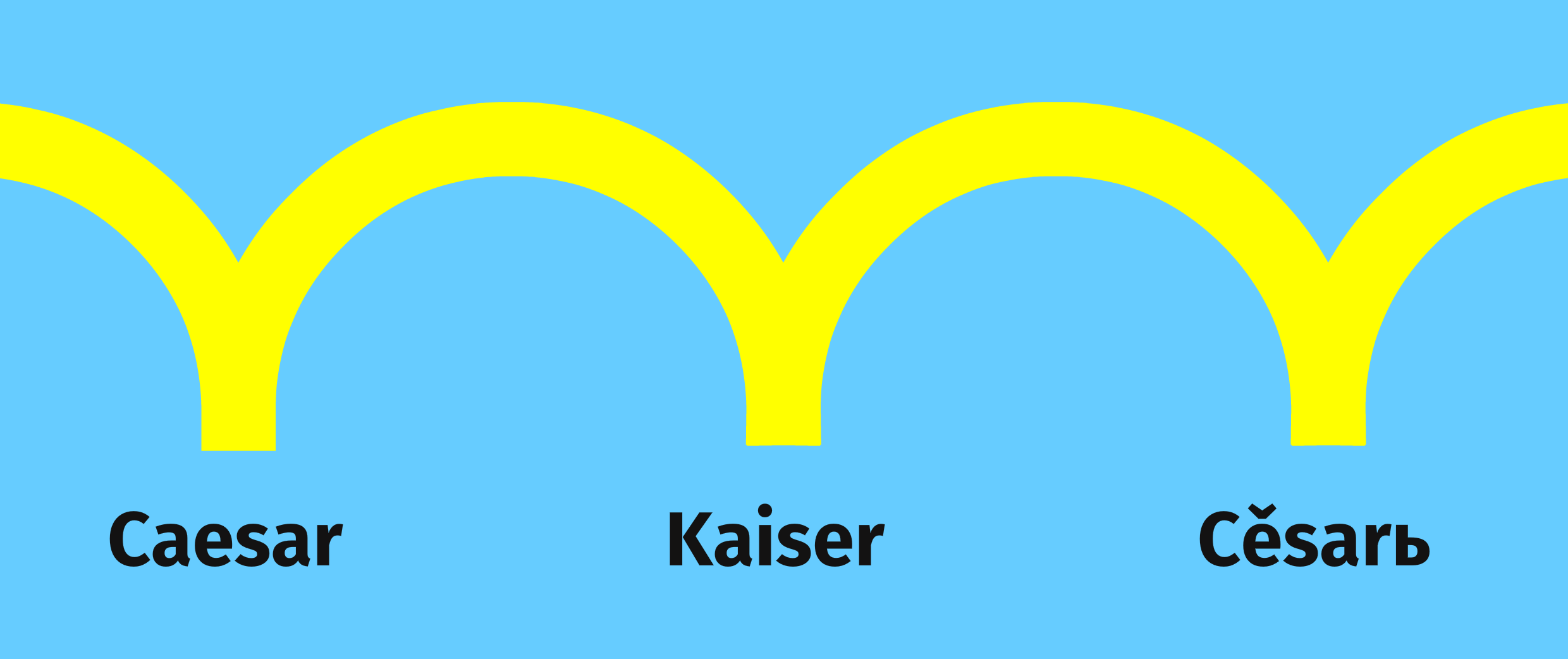
For the Bourbons, the name Louis became the chronological axis of France. This was not a personal choice, but a sign of royal continuity stretching over half a millennium. From Louis XIII to Louis XVI (and a total of 18 rulers were crowned), it functioned as a transmission of the same sacred power through different bodies. “Louis” became synonymous with the throne: eras changed, but the name remained a constant. But the absolute triumph of state naming is Ancient Rome. Here, the personal name of Gaius Julius Caesar made a leap unprecedented in history, becoming the chief legal title of a colossal empire. Family ties had long since “broken”, but every subsequent ruler of Rome was obliged to be named “Caesar” and “Augustus” so that subjects from Britain to Judea would recognize his authority. Moreover, this name outlived the empire itself by thousands of years, reincarnating as the German “Kaisers” and the Slavic “tsars”. The family name of a single Roman became synonymous with supreme power across a vast continent.
In Russia, this Byzantine-Roman vector shaped the identity of a vast country. The names Ivan, Alexander, and Nicholas returned to the throne, tying together in a tight knot bloodline succession and geopolitical function:
- The Ivans (from Kalita to Grozny) formalized the consolidation of lands and the transformation of scattered principalities into a single Kingdom (that is, the very “Third Rome”).
- The Alexanders and Nikolais of the Romanov dynasty held the gigantic framework of the Russian Empire at the peak of its territorial power for an entire century.
On the scale of the most ancient civilizations, the name became a sacred bond. In Egypt, throne names firmly linked the pharaoh to Ra, Amun, or Horus, transforming the ruler into a living bridge between heaven and earth — without this name, power on the banks of the Nile lost its legitimacy. In Islamic dynasties, combinations like Ibn Rashid or Ibn Maktum established an unbroken political lineage: the name functioned as a legal document securing the clan’s right to rule the emirates and trade routes.
Even in the harsh North, in the Scandinavian tradition, the name of a deceased chieftain was passed on to a child as a mystical transfer of “manna” — accumulated strength, military fortune, and authority — which were meant to protect the entire clan and the lands under its rule.
The Matrix of Rome: The Mask Changes, Caesar Remains
Explanation. The chain of transformations: from the name “Caesar” to the title “Tsar”
- Caesar (Caesar) — originally the personal family name of Gaius Julius Caesar. After his death, Octavian Augustus and subsequent rulers adopted it as a mandatory part of their names, turning it into the official title of Roman emperors.
- Caesar — the Greek (Byzantine) transliteration of the Latin word. Through church texts and diplomacy, this variant spread eastward and to Rus’.
- Tsar (Caesar) is a Proto-Slavic adaptation borrowed from Germanic languages (akin to the German Kaiser) or directly from Latin. In medieval Europe, the form “tsar” became established.
- Tsar is the final stage of this evolution. As a result of the loss of reduced vowels (the disappearance of ultra-short sounds denoted by the letter “ь”), the word contracted, lost an extra syllable, and acquired its modern, monolithic form.
This linguistic transition from Caesar to tsar was no historical accident. When, in 1547, 16-year-old Ivan IV was officially crowned tsar for the first time in Russia at the Assumption Cathedral in the Kremlin, he and his entourage fully understood whose legacy they were claiming. This was not merely a coronation, but the culmination of a deeply thought-out state ideology resting on three powerful pillars:
- The Blood of Caesar (“The Tale of the Princes of Vladimir”): The era’s principal political treatise directly traced the Rurikids’ lineage back to Prus — the legendary brother of the Roman emperor Octavian Augustus (the heir of Gaius Julius Caesar himself). Ivan the Terrible sincerely believed in this kinship and invoked it in his diplomatic correspondence.
- The Gold of the Romans (Monomakh’s Cap): According to the official version, the coronation crown was given to Prince Vladimir of Kyiv by his grandfather — the Byzantine Emperor Constantine Monomakh. And since the Byzantine Empire was officially called the Roman (Romean) Empire, this gesture signified a direct, documented transfer of power from the Roman Caesars to Moscow.
- The Mission of the Guardians (“Moscow — The Third Rome”): The famous formula of Elder Philotheos proclaimed: after the fall of Constantinople (the Second Rome) in 1453, it was the Moscow sovereign who remained the only independent Orthodox monarch on the planet. There would be no Fourth Rome — the global axis of succession had shifted permanently to Russia.
Therefore, when Metropolitan Makarii placed the Cap of Monomakh on the head of the young sovereign, Moscow did not merely borrow a beautiful ancient term. It officially declared itself the rightful heir to the Roman Empire, and its ruler — the full-fledged, legitimate Moscow Caesar.
Brands as modern markers of commercial mirroring: a contemporary example of Fractal Assembly
In the post-industrial landscape, the ancient mechanism of the “looking-glass” of names has undergone a natural evolution, adapting to economic realities. Today, a commercial brand performs exactly the same systemic function that, in past eras, was held by the name of a supreme ruler, a totem, or a heraldic symbol: it functions as a collective marker of identity and a mirror of a specific social function. When purchasing Apple, Rolex, Mercedes-Benz, or Supreme products, the individual is not making a utilitarian purchase but performing an act of initiation — they voluntarily integrate into a mirror group that conveys a strictly defined psychology, aesthetic, and behavioral model. People within a unified brand subculture inevitably begin to mirror one another in terms of mindset, worldview, and status signals.

Apple serves as a textbook example of how to build such a mirrored infrastructure. Consumers within its ecosystem unconsciously mirror one another through the transmission of patterns of minimalism, creative progressivism, and a specific sense of “exclusivity,” forming a monolithic social group where possession of a brand’s digital code replaces ancient symbols of class affiliation. The high-fashion industry, the automotive market, and the premium watch segment operate according to similar principles. A person who chooses a specific fashion house or car brand instantly manifests their position in the hierarchical pyramid and begins to synchronously replicate the behavioral markers of other members of that same tier.
Cars, smartphones, and even gastronomic preferences have become modern tools of mass mirroring. Powerful market players construct brands as ready-made masks that the average person instinctively puts on to strengthen their position within society. From this perspective, the modern consumer is completely deprived of autonomy and illusory “freedom of choice.” He remains an ordinary participant in a total Game, where mirrored surfaces have replaced signs, and the transfer of control occurs not through succession to the throne, but through transactions and public displays of status.
Summary: the Fractal Construction of the Subject
Thus, within the space of the total Game, a person is completely stripped of the status of an isolated, self-sufficient individual. He represents a pure example of fractality and absolute dependence on external parameters imposed upon him by the system’s control centers. A person in the Game world is literally assembled from what they consume and from the mirrors they accumulate around themselves. Their psychology, habits, behavioral triggers, and even the zone of supposed “individuality” are nothing more than a mosaic of fragments of others’ masks, commercial codes, and historical archetypes. In a state of deep systemic unconsciousness, the subject merely reproduces predetermined algorithms, proving that human flesh in the Game is a malleable material that takes the form of the mirrored corridor into which it has been placed.
This fragment perfectly ties together both the ancient mythological vertical (the World Tree) and modern consumer patterns, vividly demonstrating how a person dissolves into the general matrix.
The Mirror Image of the Pair
Pairs are particularly revealing. In the Game, a pair is almost never simply two independent personalities. As a rule, they are two sides of the same structure. One player may mirror the other in function, in the nature of the conflict, in year of birth, in family lineage, in symbolism, or in role within the plot. Outwardly, they appear as an alliance, a dispute, a rivalry, or a partnership, but within the Game they often function as two halves of a single form.
This is precisely why any pair in the Game requires a mirroring check. If you see two people, two leaders, two characters, two partners, or two rivals, you must immediately ask: are these truly two separate entities, or two halves of a single arc?
In the language of the Game, a pair is almost always not just a connection, but also a reflection, a mirror.
Domino: Mirrors Through Partners and Close Circles
It is also very important how pairs operate through partners, families, and allied configurations.
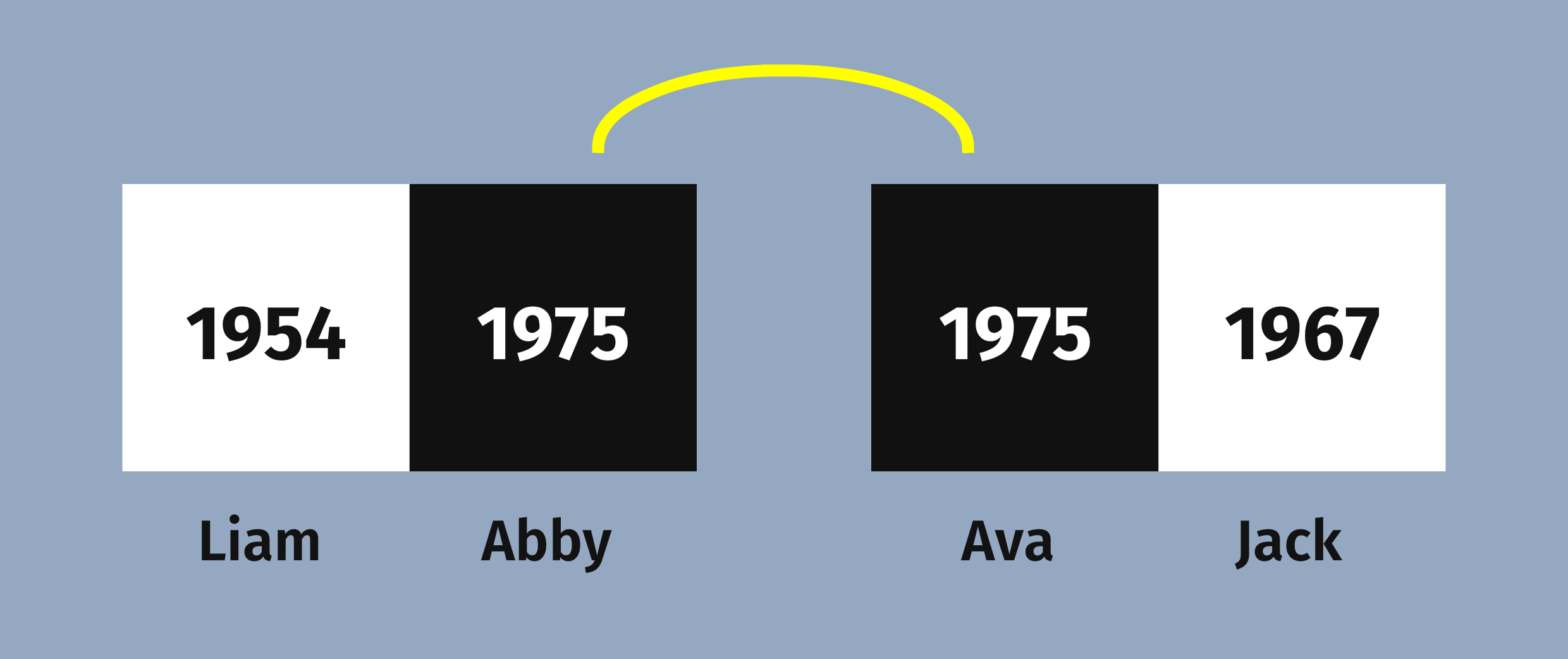
Illustration. This example features two pairs: Liam and Abby, Ava and Jack. This is a clear demonstration of the mirror coupling mechanism. Due to the matching parameters of Abby and Ava (such as year of birth or rank), a mirror connection arises between Liam and Jack, even if there are no direct visual parallels between them.
Here it is useful to apply the logic of dominoes (which is why this board game exists in reality): one figure connects to another via a matching rank, name, number, family code, or role. Outwardly, this looks like a normal connection between people, but internally there may be an exact mirror connection.
Thus, if the spouses or partners of two allied figures are linked by the same numerical marker, this may indicate a deeper game connection. Then not only the Players themselves, but also their loved ones find themselves embedded in the same configuration.
This is precisely why, in life, politics, and cinema, it is very often not just a direct mirror that works, but a mirror through the environment. One player is reflected in another through a wife, child, assistant, advisor, ally, or opponent. This is not a minor detail. This is the very way in which the Game gathers its mirrors into a single network.
A multi-layered mirror in a scene
The next level is the multi-layered mirror in a scene.
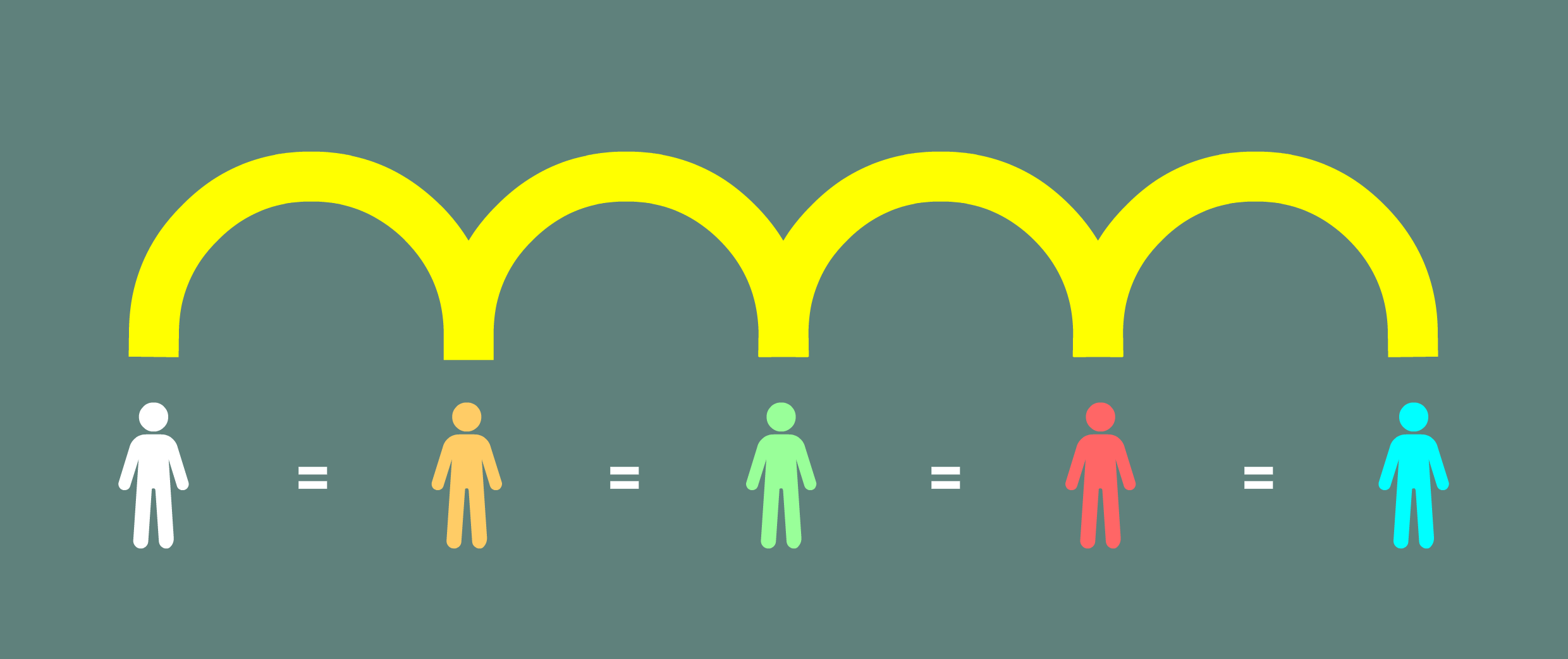
Illustration. Here, the characters’ mirror images are shown through an arch. For example, the personality of a real Player (or a group of players) is broken down into separate functions. These functions are distributed among other characters/players to solve specific game and plot tasks. A striking example of a total looking-glass world is the film “Wake Up Dead Man. A Knives Out Mystery” (2025).
Sometimes, in a single situation (such as a political, cultural, or theatrical setting), there are not two, but three, four, or six mirror figures. Then, for example, one triad (a single whole broken down into three objects as a function, a mirror) reflects another triad; one side rests on its own mirrors, the other on its own, and the result is interpreted not linearly but through the interplay of functions.

Illustration. In films, a single “essence” is very often broken down into a triad. At the same time, each character is triadic by definition and complements the others in both meaning and form. A striking example: the film “One Battle After Another” (2025). Or the film “The Secret Agent” (2025).
The average viewer sees that one hero died and another won. The player sees that not “everything” died, but only one mirror, while the other continued the game.
This is a very important concept for cinema, politics, and history. Because what often happens there is not the destruction of the mechanism, but the transfer of the mirror. One figure completes the move, another takes its place, and outwardly it seems that a break has occurred. In reality, there has been a change of carrier while the form remains intact.
Therefore, mirroring should be interpreted not literally, but structurally.
What exactly can be a mirror
The same Play Form can appear:
- in a name,
- in the year of birth,
- in the family,
- in marriage,
- in partnership,
- in a color,
- in a symbol,
- in a role,
- in political conflict,
- in a movie couple,
- in a triad,
- in a historical narrative.
This is exactly how the Players use people as mirrors of one another. This is exactly how partners are chosen — in life, in politics, in film, in culture. This is exactly how the same mask can be repeated in different bodies and different eras.
Therefore, the reader’s task is not to look for individual “instances of mirroring”, but to learn to see the principle itself. If something in the Game repeats by number, by name, by blood, by pair, by sequence, by symbol, or by stage configuration, then what we are seeing is not a coincidence, but the very same mechanism, simply in a different form.
This is precisely what one must be able to recognize:
- not just a person, but their function;
- not just a pair, but its mirrored structure;
- not just a number, but its place in the arc;
- not just a plot, but its hidden repetition in another zone of the Game.