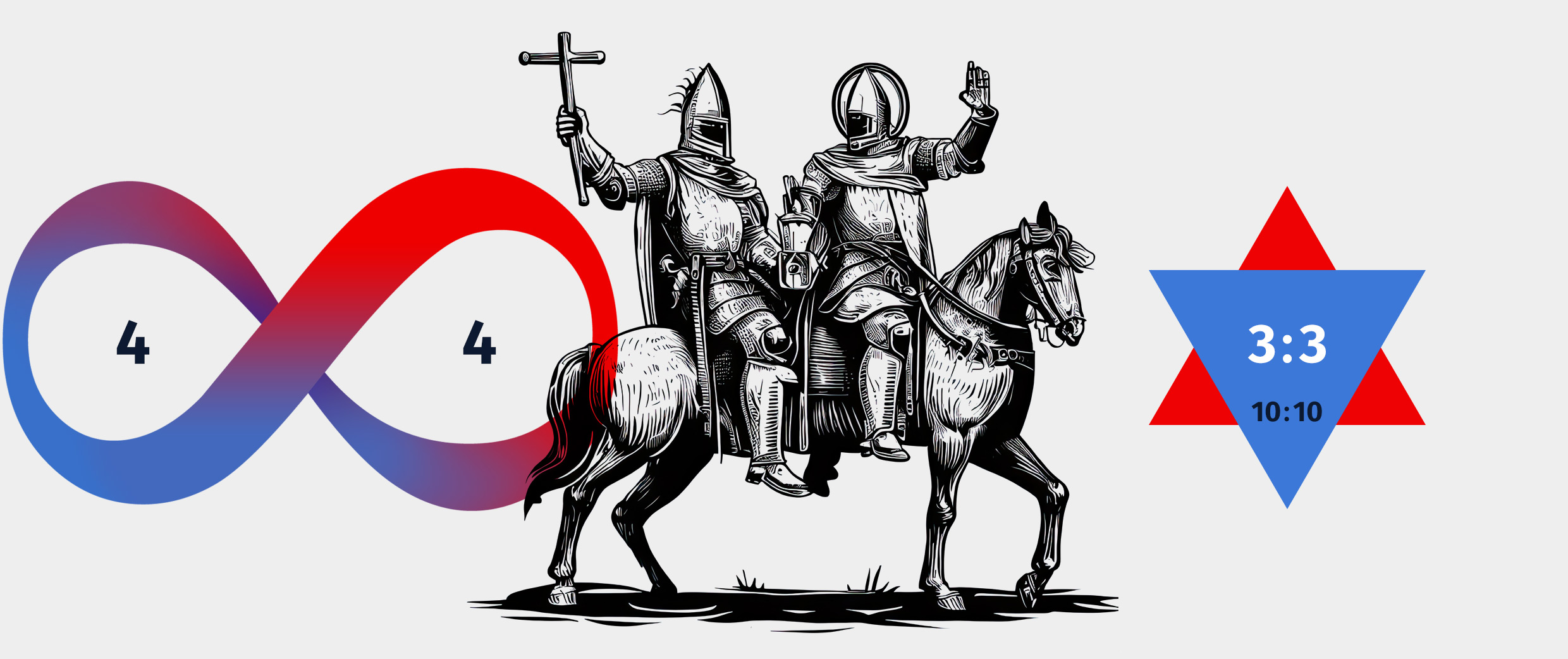


The Game cannot exist where one side completely destroys the other. Complete suppression does not create the Game — it ends it. If tension disappears, if the opposition is no longer held in check, if one force finally erases the other, then the very stage on which movement, choice, conflict, and outcome are possible vanishes. Therefore, the Game is sustained not by victory as such, but by a stable balance.
Balance here is not peace or harmony in the everyday sense. It is the operating mode of the Game. It is precisely this that ensures the constant reproduction of energy, resources, the attention of the masses, and the meaning of the system’s very existence. Opposites do not destroy one another, but maintain the field in which the Game continues.
The most vivid natural diagram of the Game is the Sun’s movement along an arc.
This form does not merely describe a natural rhythm. It captures the very mechanics of the Game. Sunrise initiates the movement, the zenith gathers maximum power, and sunset concludes the phase while simultaneously preparing a new beginning. Thus, what emerges is not merely a sequence of moments, but a structure of holding opposites, where each state is necessary for the next.
Balance here is not peace or harmony in the everyday sense. It is the operating mode of the Game. It is precisely this that ensures the constant reproduction of energy, resources, the attention of the masses, and the meaning of the system’s very existence. Opposites do not destroy one another, but maintain the field in which the Game continues.
The Solar Arc as a Basic Model
The most vivid natural diagram of the Game is the Sun’s movement along an arc.
- Sunrise — the birth and launch of a phase.
- Ascent — the accumulation of power and tension.
- Zenith — the point of maximum, the peak of power and concentrated equilibrium.
- Descent and sunset — weakening, the conclusion of the phase, and preparation for a new cycle.
This form does not merely describe a natural rhythm. It captures the very mechanics of the Game. Sunrise initiates the movement, the zenith gathers maximum power, and sunset concludes the phase while simultaneously preparing a new beginning. Thus, what emerges is not merely a sequence of moments, but a structure of holding opposites, where each state is necessary for the next.

The zenith in this scheme is not a random peak, but a point of highest concentration. It is the place where tension reaches its limit and where conflict is momentarily fixed in the form of a result. Therefore, the zenith can be understood as the moment in which the energy of the Game gathers into a single center. Hence the image of a star: it arises not at the edge, but precisely at the point of maximum tension between the poles. A star is not merely a symbol of radiance, but the fixation of a result gathered between two opposites.
The 2:2 Scheme and Cross-Assembly
But the most important technical principle here is the 2:2 scheme.

The game isn’t simply divided into two sides. It is constructed so that each side contains an internal pair and simultaneously reflects the pair of the opposing side. Therefore, balance is maintained not through the simple collision of two units, but through a cross-assembly.
This is the basic game geometry: two sides, two halves, two mirror pairs, assembled crosswise.
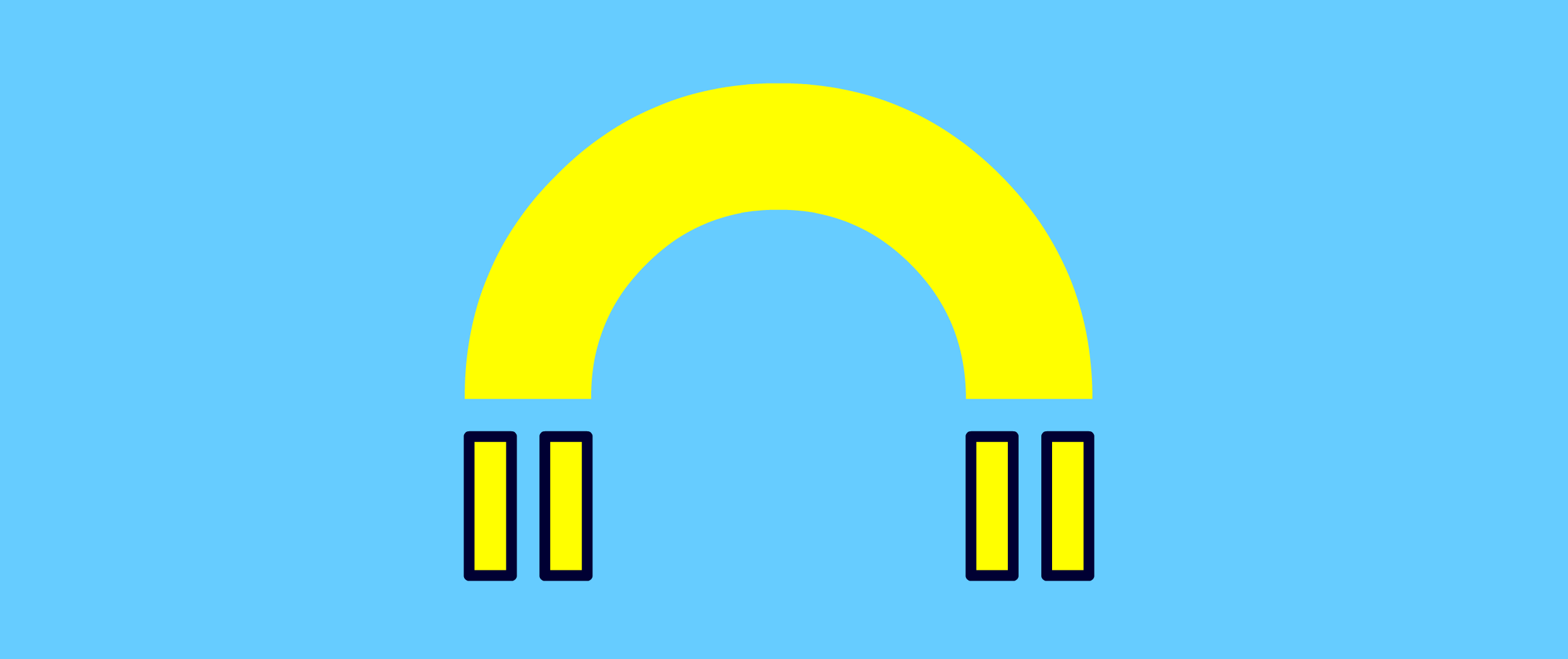
Illustration. A classic game arch between paired pillars.
This principle is particularly evident in the cross pattern and on a chessboard, where black and white do not exist on their own but define each other’s form. Each side not only opposes the other but also partially enters into it, mirrors it, and sustains it as a condition of its own existence.
Therefore, conflict in the Game is never absolutely direct. It is always cross-cutting: one half is present in the other, one force contains a reflection of the other, one zone is balanced by the other. This is precisely how equilibrium is maintained between the playing zones. One zone strengthens the other through its reflection. Opposites do not destroy one another, but rather discipline, refine, stabilize, and make the Game possible.
When there is one person on each side
There is another important configuration. The game unfolds not as 2:2, but as 1:1 — one person on each side. This, too, is not a simple duel, but a special form of mirrored distribution of function.

In such a situation, each of the two participants inherits not the opponent’s entire role, but half of their function.
One takes on one part of the structure, the other takes on the second.
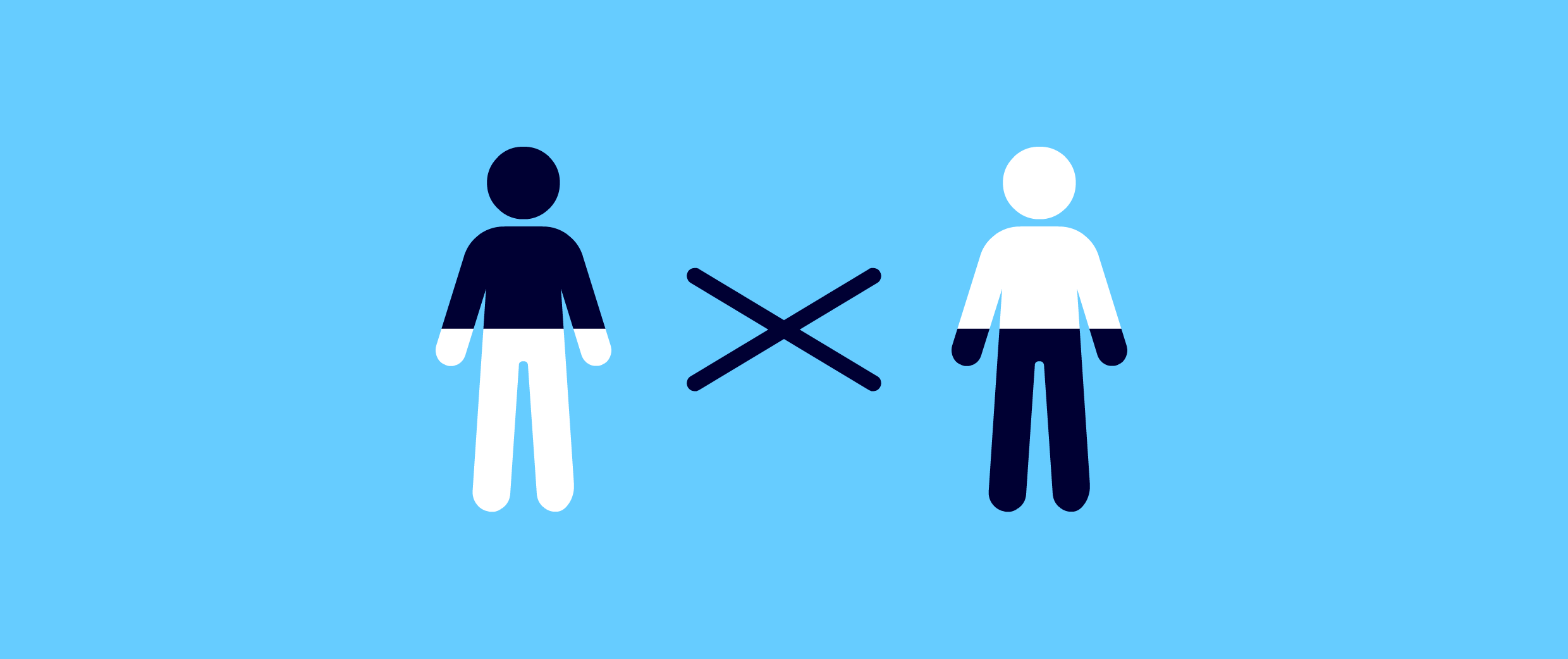
Illustration.
The duality of each participant by definition. This specific structure is at work in all films. Masks are inherited by the central characters precisely according to a cross-scheme. For this reason, one can never directly assert that one character is the mask of a certain Player, and another character is the mask of a different Player.
For example, in the film “Nuremberg” (2025), the characters’ masks are multi-layered and distributed in a crisscross pattern, achieving a Game balance.
For example, in the film “Nuremberg” (2025), the characters’ masks are multi-layered and distributed in a crisscross pattern, achieving a Game balance.
Their confrontation becomes not just a conflict, but a way to assemble a whole from two halves.
In real life, this often manifests as a dual position: a person may take one side, then the other, and it is precisely through this that they maintain balance. They are not rigidly fixed in a single role, but live as a transitional figure between two poles. This model is particularly evident in politics, in family unions, in partnerships, and in cultural configurations.
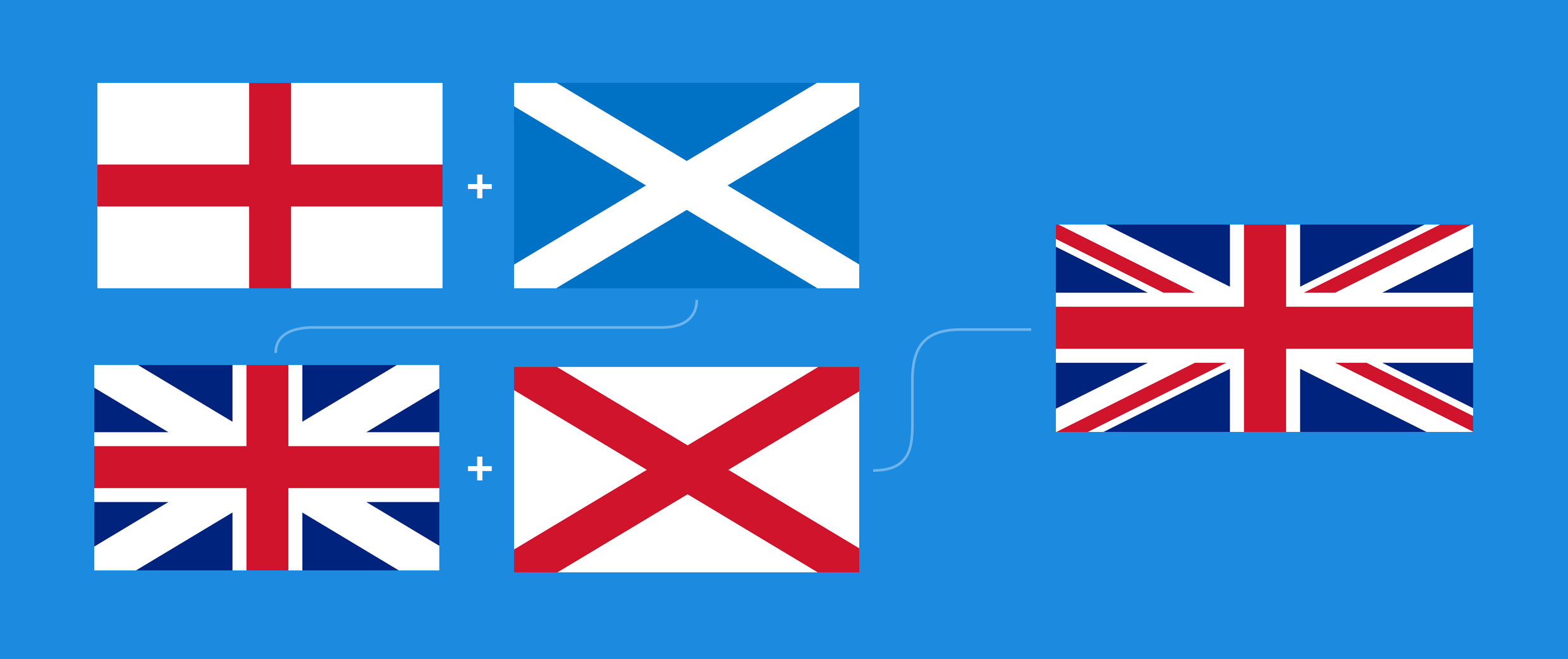
Illustration.
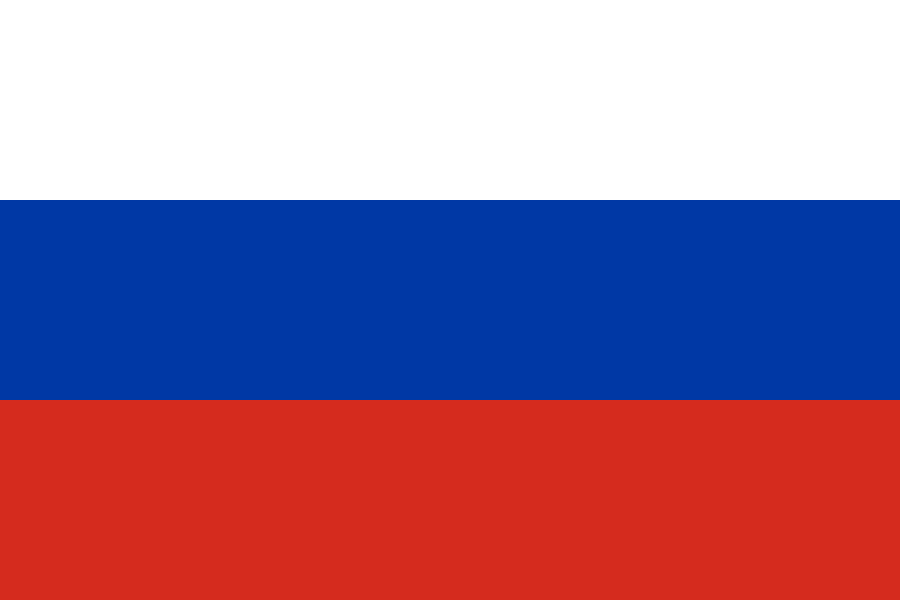
The flag of the United Kingdom is also based on crosses and dates back to 1603, when James VI, King of Scotland, inherited the English throne and became King James I of England. On April 12, 1606, a new flag of the union of states was adopted: the English flag of St. George (a red cross on a white background) was superimposed on the Scottish flag of St. Andrew (a white diagonal cross on a blue background).
This is even more evident in film. A director can split a single real-life figure into a protagonist and an antagonist, distributing the two halves of a single function between them. Then one character takes on the “body” of the conflict, while the other takes on the “brain” or strategic will. Sometimes, conversely, one character inherits resources, status, or power, while the other inherits moral drive, intellect, or the right to act. Thus, a real Player can be portrayed in film as two intertwined mirror images.
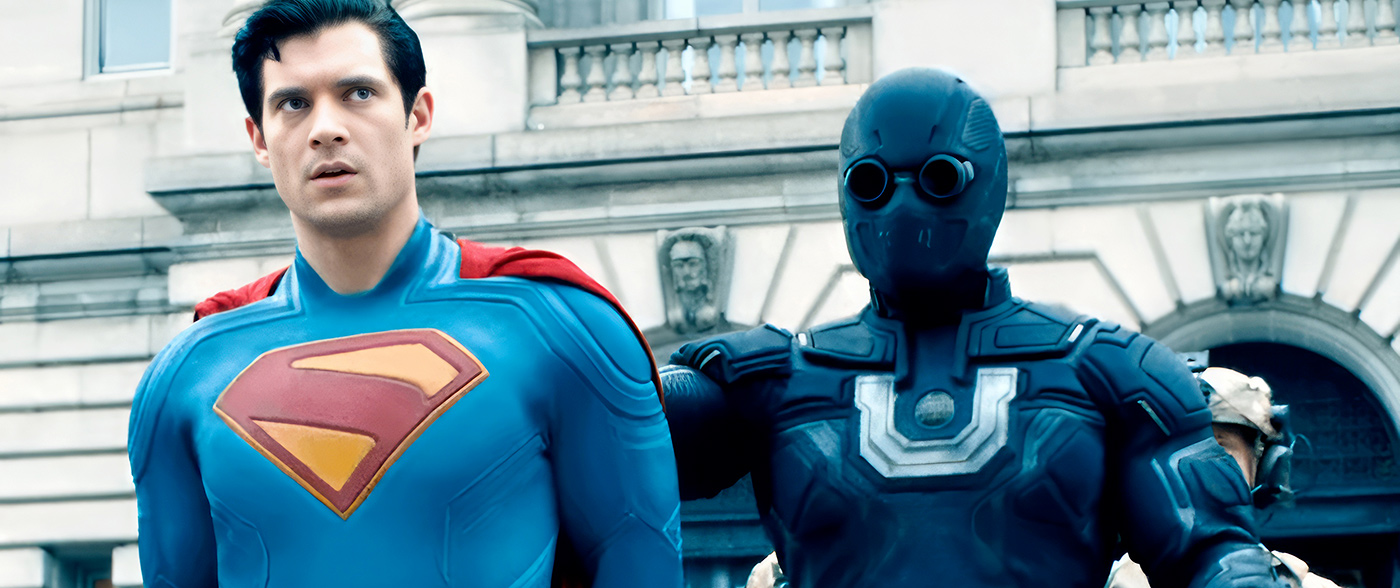
Illustration.
A still from the film. Superman 2025 and his adversary — Ultraman, the duplicate, the “black” one. At the same time, each hero is not merely the embodiment of the white or black side; each is dualistic and necessarily balanced in relation to their counterpart. If there is balance, one could simply speak of the inversion of black into white. But in practice, this model is constructed and projected. As a result, it is often more accurate to speak of technical mirrors, the inversion of duality, rather than simply a change of side or position.
The same applies to the antagonist. His role can also be split: part of it is embedded in the antagonist, and part in the hero. On screen, this appears as a direct confrontation, but at a structural level, we see the same pattern: a single narrative entity is split into two polar forms, between which a tension arc is maintained.
This is precisely why cinema works so effectively as an echo of real-life games. It doesn’t simply show conflict. It distributes functions among the characters so that the Players can read the hidden metaphor. Through a field of associations, the director shows who is in which part of the structure, who holds the center, who maintains the tension, who reflects, and who concludes the move.
War as the oldest form of maintaining balance
War has become the most vivid and ancient tool for maintaining balance.
War in the Game is neither an anomaly nor a mistake of humanity. It is a systemic mechanism that allows for:
- redistribute resources and influence;
- maintain tension and mobilize the masses;
- prevent the complete domination of one side;
- update and test game configurations.
History is full of wars that lasted for decades and centuries precisely because their goal was not the complete destruction of the enemy, but the maintenance of balance:
- The Hundred Years' War — 116 years;
- The Reconquista — 781 years;
- The Roman-Persian Wars — approximately 681 years;
- The Russo-Turkish Wars — a series of conflicts spanning 350 years;
- The Karabakh conflict — decades of active and latent phases.
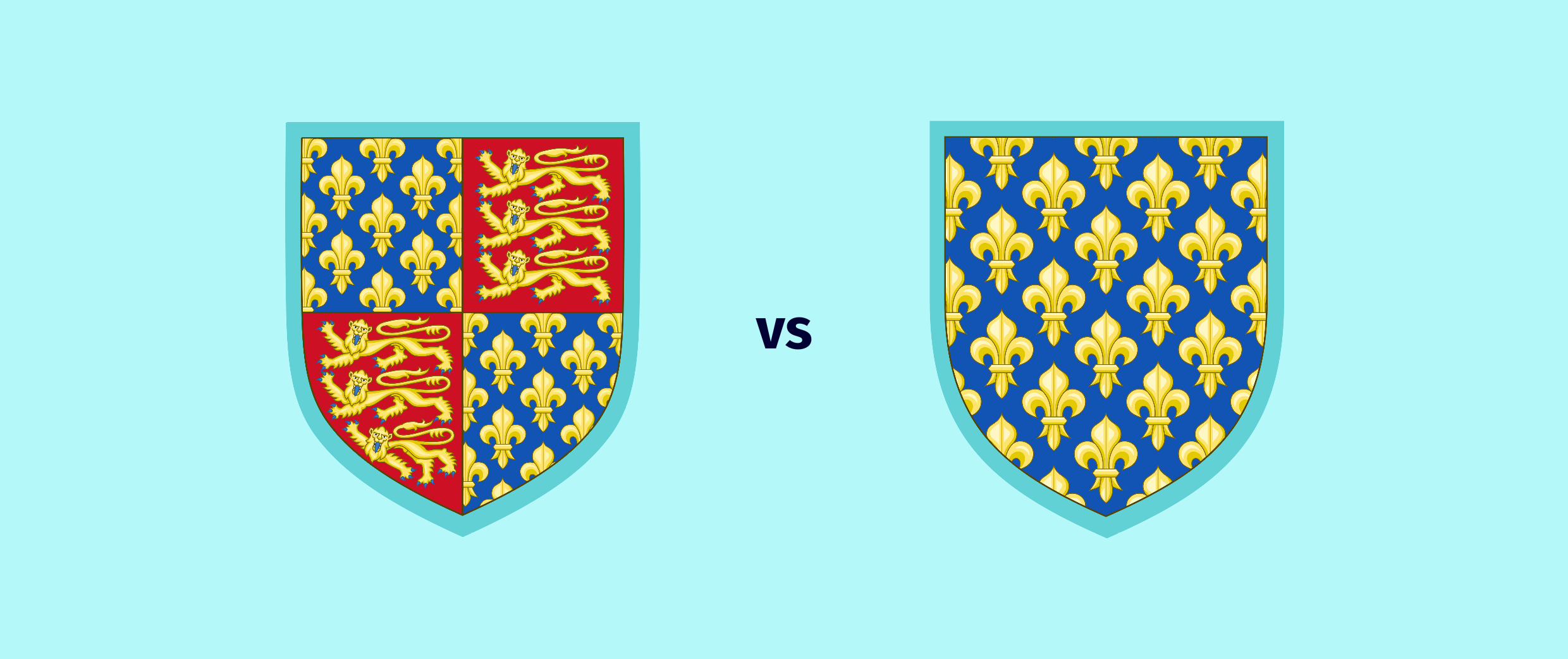
Illustration.
Heraldry of the parties. Example. The Hundred Years' War: a series of military conflicts between the Kingdom of England (1) and its allies, on one side, and the Kingdom of France (2) and its allies, on the other. Note that the coat of arms of France (as well as England) features classic heraldic lilies. The shape of the heraldic lily is deeply symbolic: its three petals reflect the idea of the Holy Trinity.
In modern times, the same logic applies to protracted conflicts where neither side gains a decisive advantage, and the Game continues to draw energy, resources, and control over the masses. As long as an adversary exists, the Game exists. When one player is left alone, the Game demands a new mirror.
What does this mean for the entire structure
From this, it becomes clear why symbols such as the cross, the arch, the chessboard, black and white, blue and red, and top and bottom are so important in any Game. They all express the same law: the system lives as long as the poles are held in a tense equilibrium.
This is precisely why balance is not merely the result of the Game, but its condition.
- First, tension arises between opposites.
- Then this tension converges at the center.
- Then the center is fixed as a zenith, a star, or a peak.
- And then the pattern repeats itself — already in a new cycle, in a new zone, and in a new form.
This is precisely why the solar arc, the zenith, and the 2:2 pattern are not merely decorative images, but the technical foundation of the entire Game. Without them, there is no stable power, no recurring conflict, and no history itself as a sequence of mirrored phases.